
I’ve tested both stacks and they behave differently. Casino betting software drives wagering, odds management, and sportsbook software. Online casino software focuses on a game catalog management and casino management software. Sportsbooks need betting engine for casinos.
I’ve burned time on “fast to integrate” catalogs that later failed device QA. When I buy casino software, I treat provider due diligence as part of the integration plan.
I keep a checklist for white label casino software. The biggest issue I’ve seen is weak operator tooling. You can see how teams validate features like casino marketing tools and a bonus and promotions engine before release, and you can evaluate options at https://casinoplatform.com.ng/ for practical guidance. The goal is to align casino management software with clear payment integration for casinos and smooth player account management, so launches stay stable.
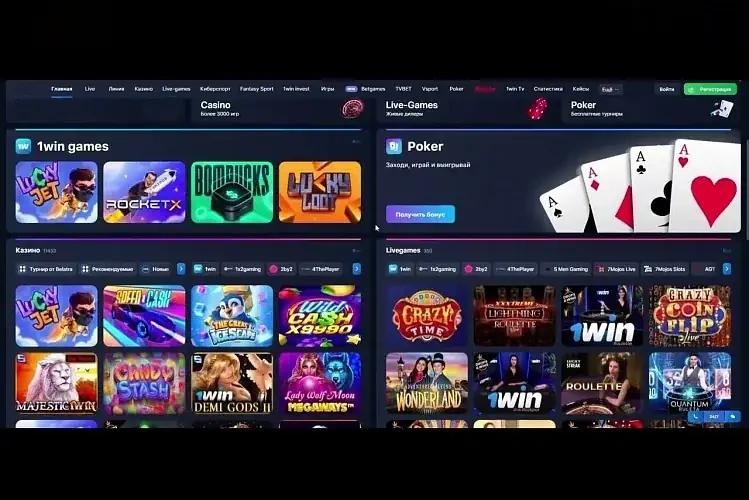
When I buy online casino software, I look for a turnkey casino solution with iGaming software, game catalog management, and backend admin. Pay attention to the backend depth, not just front-end games. If wallet, player, and reporting aren’t included, you’ll rewrite integrations.
I’ve learned live casino software can break silently on “almost HTML5” setups. Test WebRTC and audio latency on real phones before you launch. Ensure your HTML5 casino platform supports multi-language UI and consistent fullscreen rendering.
Live dealer delays don’t feel like “bugs” to players; they feel like dishonesty. I fix that first, every time.
My rule: never ship a new slot without checking payout tables, RNG claims, and reporting alignment.
RTP variance bugs cost more than fixing code.
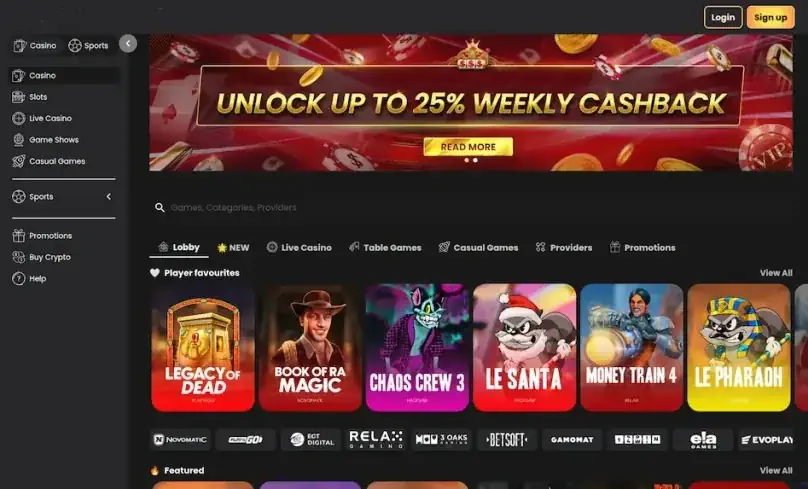
I treat CRM for online casinos like part of the core build. When I tested systems, the best ones synced player account management events in under 2 seconds. Retention jumps when you trigger bonuses by behavior, not just deposits.
| Tool | Automation speed | Key feature | My take |
|---|---|---|---|
| Salesforce Marketing Cloud | <1s events | Journey builder | Powerful, pricey |
| Braze | <2s | Real-time messages | Great for triggers |
| Delighted/Intercom-style stacks | ~1-3s | Messaging | Good, not enough alone |
| Custom CRM | Depends | Full control | Fast if team exists |
I won’t launch an online casino platform without payment integration for casinos tested end-to-end. Stripe + Adyen can cut payment failure rates by ~20% versus “trial-only” setups. For KYC verification software, I compare Onfido vs Veriff and enforce checks before bonuses. Responsible gambling tools like limit setting must work on day one, not “phase two.”
In my experience, confusion kills projects. The clean split is: supplier builds iGaming software, platform provider runs the online casino platform, aggregator supplies casino games access. I ask each vendor where their scope ends, then put it in a single table before contracts. That avoids double-paying for odds management system pieces and reporting.
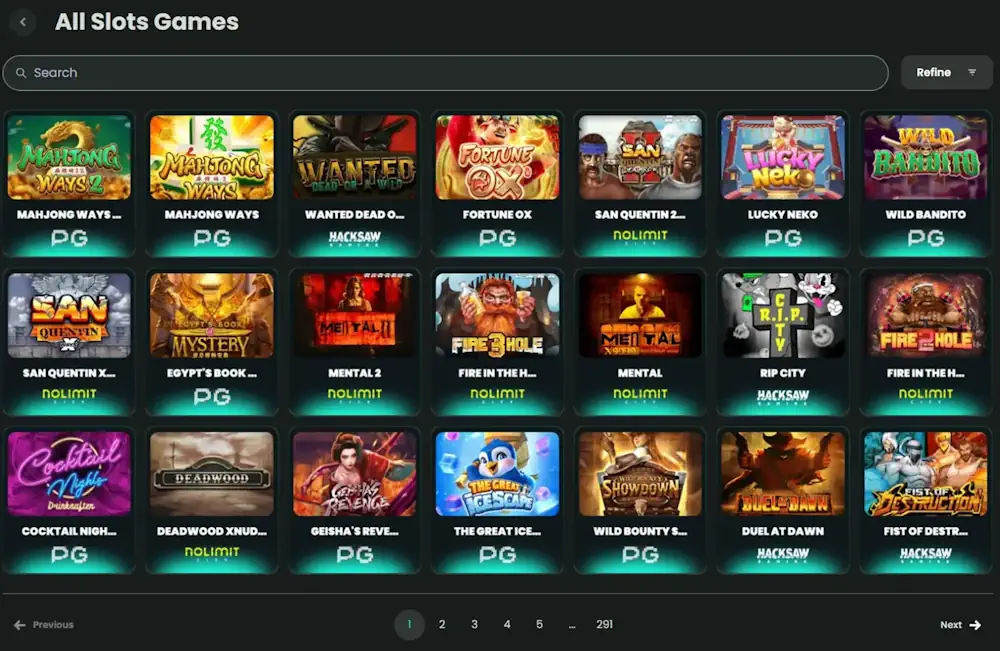
Betting software centers on wagering flows, odds, and sportsbook setup. Online casino software centers on the game catalog and casino management for players.
Insist on staging tests, RTP reporting exports, and proof of game fairness compliance. I also confirm HTML5 casino platform support across real devices.
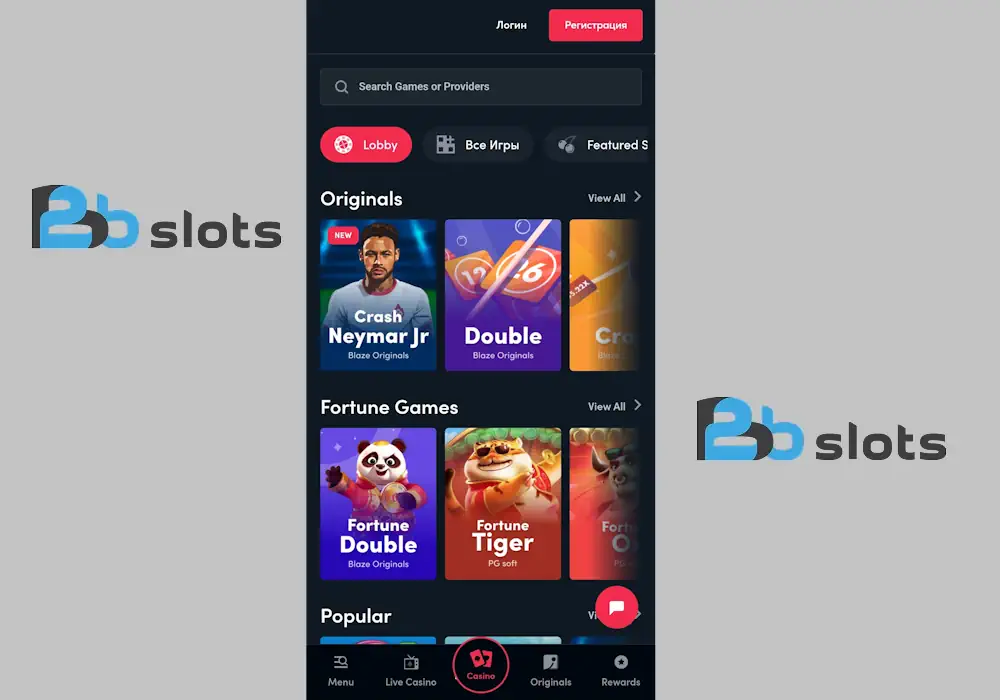
Choose casino marketing tools plus a bonus and promotions engine, then check backend operator tooling. Weak admin tools will slow every launch and promotion.
If wallets, player data, and reporting aren’t included, you’ll redo integrations. I’ve seen “front-end ready” stacks stall on admin and settlement.
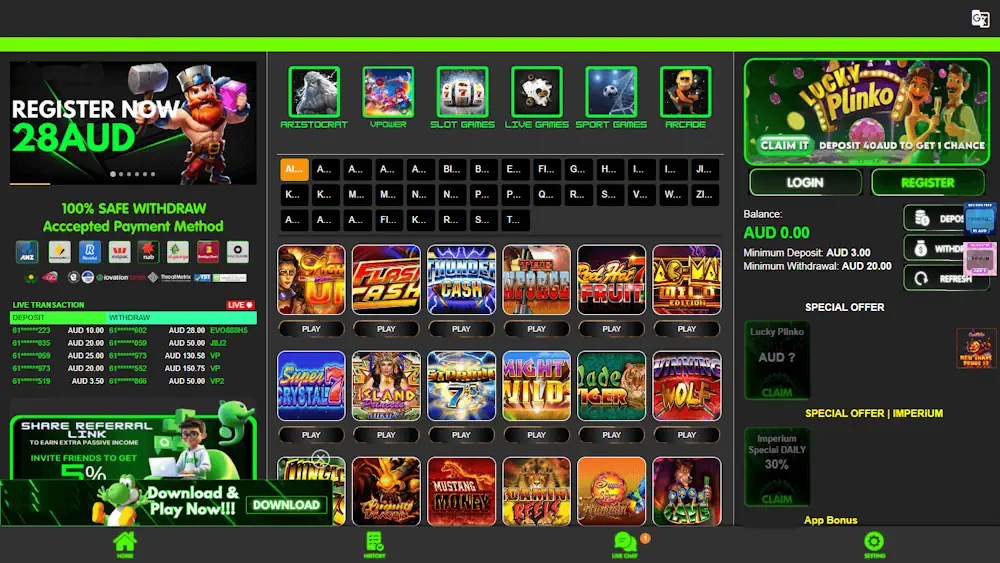
Yes, because limit settings must work on day one and with player account management events. Delaying it creates operational risk and a worse player experience.