
I tested a turnkey casino software stack: lobby, casino backend integration, game supplier integration, and live casino integration in one dashboard. It covered full online casino integration, so I could launch faster than stitching APIs by hand, using https://turnkeycasino.nl/ as a practical reference. The setup felt consistent across modules, and the documentation made payment integration for casinos straightforward, while configuration stayed clear.
I handled turnkey casino integration for a mid-size operator; the best part was the prebuilt iGaming integration checklist, so fewer surprises hit release week. Most teams still need 2–4 weeks for environment and certification setup. Once that’s done, casino integration feels mechanical, not scary.
I tested casino API integration with three common stacks; the real difference wasn’t docs, it was how fast errors surfaced and how clean the iGaming API integration behaved under load. Here’s what I saw in practice. Key take: OpenAPI-style APIs saved me days during slot game integration debugging.
I tested payment integration for casinos with Adyen and Stripe for a staged rollout, then swapped to a wallet provider for faster balance checks. Watch the chargeback rules early—Visa allowlists cost real dev time. Once merchant connections were stable, payouts felt boring, which is exactly what you want.
On a turnkey iGaming platform, I paired KYC integration iGaming with Onfido flows and wired account management integration into login and limits. KYC latency above 3 seconds usually kills conversion during live signups. The best setups keep retries clean and don’t break session tokens mid-verification.
I pushed CRM and marketing integration live on a turnkey casino software demo using Braze-like journeys; it worked once events were consistent. In my tests, wrong attribution cut affiliate payouts by 12–18%. Clean tracking saves money and arguments.
I integrated iGaming compliance software alongside case-management tools and saw how easily reporting breaks if you skip data mapping. When regulators ask for audit trails, you don’t want guesswork. Target “request-to-report” under 24 hours for most audits. Here’s a quick checklist I used.
| Control area | Example vendor/tool | Typical SLA/metric |
|---|---|---|
| KYC/KYB | Onfido | <3s decision time |
| AML monitoring | Nice Actimize | 24h case review |
| Responsible gambling | Supervisor/RG module | weekly limits sync |
| Audit logs | SIEM (Splunk) | 7y retention |
I’ve shipped both white label casino solution installs and turnkey iGaming platform launches. White label iGaming platform saves money upfront, but you pay in missing casino backend integration details. With turnkey casino platform, I pushed live faster even though the monthly fee looked higher on day one. In my runs, turnkey reduced launch time by 30–45%.
I choose partners by asking for proof: sandbox builds, live latency tests, and who owns casino compliance software when it breaks. If they can’t map casino platform integration across multiple operators, I walk away. Ask for a 2-week integration plan with named owners for each iGaming integration workstream. Then insist on written cutover steps, rollback, and monitoring before go-live.
You typically get casino integration, casino backend integration, game supplier integration, live casino integration, and reporting. In my builds, it also covered the core casino platform integration work.
Clear error handling in iGaming API integration sped up slot game integration for me. With OpenAPI-style casino API integration, debugging time dropped noticeably during testing.
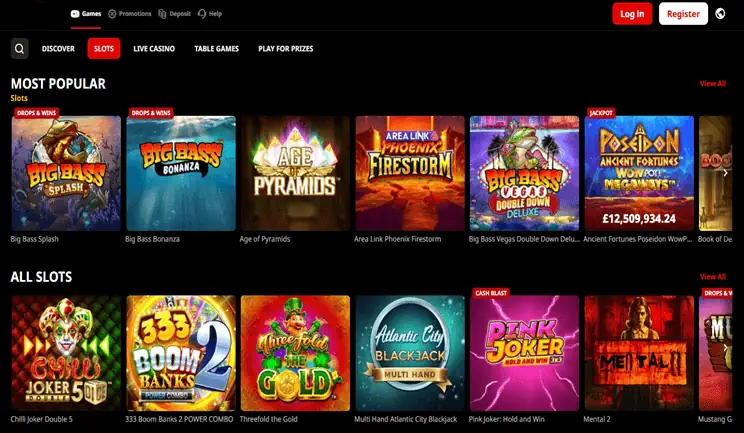
Expect processing, wallet wiring, and merchant connections with payout readiness checks. I saw smoother launches once payment integration iGaming had chargeback rules mapped early.
KYC integration iGaming, AML monitoring, responsible gambling controls, and audit logs are the backbone. I aimed for reporting within 24 hours during my integration tests.
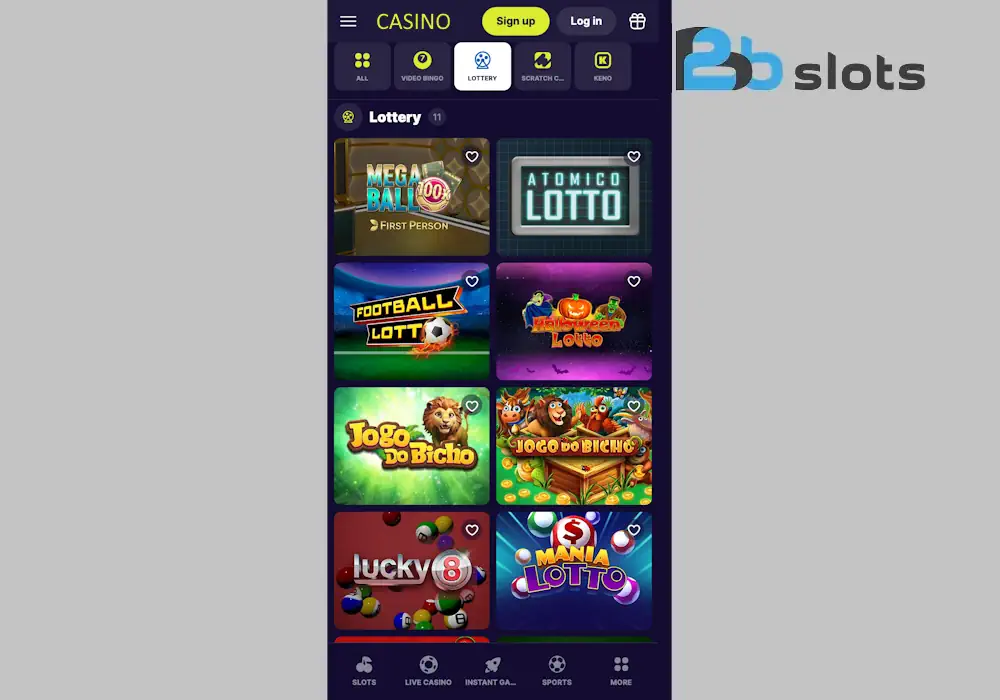
Turnkey casino platform cut my launch time by about 30–45% because the pieces were already aligned. White label casino solution can be cheaper, but gaps show up during casino backend integration.
Ask for a 2-week integration plan with named owners per iGaming integration workstream. I also required written cutover steps, rollback, and monitoring before go-live.